
Develop Your Blogging Plan
This page may contain links to Amazon.com or other sites from which I may receive commission on purchases you make after clicking on such links. Read my full Disclosure Policy
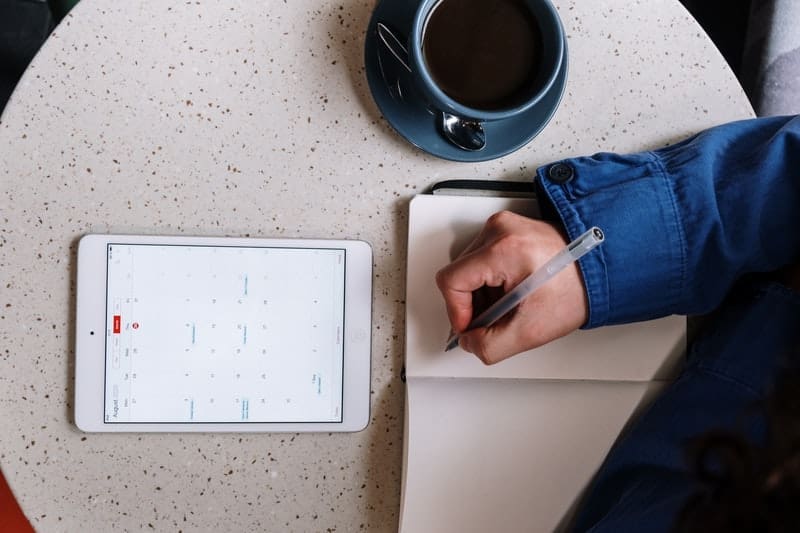
Are you envious of people who blog consistently every week, or even every day, while you struggle to come up with ideas? Do you churn out several posts within a few days, then neglect your blog for weeks or even months? Why not apply the same organizing principles you apply to your business and your client work? Like most activities, blogging is more efficient when it’s done according to a plan.
Plan Your Topics
I’ve heard a number of organizers say “I just don’t have time to blog,” but often, half the battle is planning ahead. Deciding in advance what you’re going to blog about will give you an opportunity to think about how you’re going to address a particular topic, and to write at least some of your posts ahead of time.
The key to successful blogging is to continuously create compelling content, and with a new year just around the corner, now is the perfect time to begin working on your editorial calendar, so I’d like to share a few ideas.
If you think about it, your daily life is probably filled with things you can blog about!
Consider the following questions:
- What have people asked you in workshops, emails, and consultations?
- What have people in your target market posted in forums or on social networks?
- What organizing products do you use or recommend most often?
- Do you work with complementary service providers? Who are they and what do they do?
- What organizing books have you read lately? How about other books that might be useful or inspiring to your clients?
The possibilities are endless!
Plan Your Editorial Calendar
There are many different ways to manage your blog schedule.
Some keep it separate from the calendar you use for your day-to-day activities.
- WordPress Plugins such as Publish Press Planner and the Editorial Calendar place a calendar in your WordPress dashboard which links to the posts you’ve published, scheduled, or saved as drafts. You can then use this calendar to drag and drop posts which haven’t yet been published to a different day.
- If you’re a fan of planning on paper, purchase a Blog Post Planner. There are a number of them available, and most include helpful tips in addition to organizational tools. Or save a little money by downloading StrayCurl’s Printable Blog Planner.
- If you prefer to plan digitally, download a free calendar template. For one specific to blogging, check out SmartSheet’s Blogging Editorial Calendar Template.
Unless one of these ideas really clicks with you, I don’t actually recommend them. If your blog planner isn’t close at hand when inspiration strikes, or when you’re communicating with a potential guest blogger, what good is it? Instead, keep your blog schedule in whatever calendar you’re already using, whether it be paper or digital.
For several years, I’ve been managing my blog schedule by entering my topics directly in my Google Calendar, where I entered the dates and topics for the Productivity & Organizing Blog Carnival as a recurring event on the third Thursday of each month, and new topic announcements the week following. This shows me at a glance which dates are open for guest posts and other topics, and of course it’s easy to reschedule topics as needed on a digital calendar.
Next year, I’ll be using my momAgenda Planner to organize my blog and social media posts, using pencil so I can easily make changes without making a mess of everything.
Google Sheets can also be useful, especially if you want to include additional columns, such as the status of each post.
Get free help with your blog
Join Blogging Organizers, a vibrant online community where you can network with professional organizers, productivity consultants, and other blogging enthusiasts, receive blogging ideas, tips, articles, and guest blogging opportunities, and participate in a weekly blog share!
Although an editorial calendar doesn’t eliminate the need to generate ideas and write your blog posts, these tasks are easier when you can see at a glance when your posts are due. And if one day you’re feeling exceptionally creative, instead of publishing a whole bunch of posts in a row, you can enter all your pre-written content into your schedule, and perhaps even save some for a time when you’re struggling with writer’s block or you’re just too busy to think about your blog.
How do you organize your blogging?
Photo by cottonbro



Great resources, Janet! I really need to work on planning and consistency! 🙂
I’m glad you liked the post, Tracy! Once you’ve had a chance to try one or more of the suggested resources, it would be great if you came back here to let us know how you made out.
These resources are worth checking out!
To date, I’ve been using a paper planner too and a pencil for the same reasons you mention. In addition, I have a monthly calendar where I record events and which blog posts are due when. Once I’ve scheduled the posts, I highlight the date so i know at a glance what’s complete and what comes next.
i guess we all need to find the method that works best for ourselves and use it.
“i guess we all need to find the method that works best for ourselves and use it.” – this is true of so many things, isn’t it, Moreen? Including organizing! 🙂
Thanks for dropping by and sharing your method with my readers.
Since I blog every week I’m constantly building my list of “possible blog topics.” I don’t schedule them all to a week specifically, but I keep a running list of topics and then pick the one that I want to write about in any given week. Some ideas sit on the list for awhile, while other ideas grab my attention and turn into a blog before even making the list.
It’s nice to have some ideas in your back pocket for those dry moments.
It is! I’m always excited when I feel stuck, then realize I’ve got an idea on the back burner. Sometimes I’ve even started to draft it but set it aside, so that’s even better!
I agree with you that to create consistency at whatever frequency you want, having a calendar/schedule and making a commitment to it helps immensely. I create a blogging schedule for six months at a time. I plan the monthly themes, the post dates, a few ‘special’ features, and the weeks I know I’ll skip. I have a specific writing day, which gets altered on occasion. I adjust it as needed. So if I need to skip a week I hadn’t planned, I will. And if I want to write a post on a week I had planned to skip, I will do that, too.
As far as topics go, I’m always on the lookout for ideas in books, conversations, observations, personal or client experiences, and workshops. Basically everywhere. It could be a fully fledged idea, a seed idea, or a phrase I want to expand on. I have a blog notebook with categories to capture ideas. So, on a given week, if I’m not sure what to write (based on the monthly theme), I’ll go through my source materials to see if something sparks a post for that week. I keep it relevant to my audience and what’s happening or what I’m observing right now.
The three most important pieces for me are having a blog calendar, a scheduled writing time, and a place to capture ideas.
You are one of the most consistent bloggers I know, so thank you for sharing what works for you!